The Ethics of Digital Repatriation
In March 2023, two men in hockey masks and tracksuits entered the British Museum, with a grand plan for a digital heist. Standing before the glass vitrine that enclosed the Rosetta Stone, the ancient Egyptian stela seized by British forces in 1801, the two men took high-definition 3D scans of the artifact with their iPads. The men behind the masks were the founders of the ‘artivist’ group Looty, which aimed to digitally loot back stolen cultural artifacts and return them to their places of origin. They used location-based augmented reality to place a digital copy they obtained of the Rosetta Stone in Rashid, Egypt, where the stone was stolen from, allowing people to view the artifact in its original place on their phones. This act of ‘guerrilla artifact restitution’ highlights a growing debate in museum repatriation: Can returning digital surrogates of cultural artifacts truly restore agency to source communities, or are they merely a facade that leaves the structures of colonial possession intact?
Digital repatriation refers to the process of returning digital representations, such as photos, 3D scans, audio files, or virtual reality models to the countries and communities where the physical artifact originated. Evolving from early ethnographic archiving practices in the 1990s, the field now involves broader efforts to restore the curatorial and archival rights to its source communities. In its fullest form, digital repatriation does not just upload digital representations to the internet, but also empowers source communities to study, teach, reinterpret, and manage access to the digitized versions of their ancestral heritage.
It is estimated that over 90 percent of sub-Saharan Africa’s material cultural legacy still remains outside of the African continent. In a continent where 60 percent of the population is under 25 years old, this means millions of young people are denied access to their own culture. While digitization can directly solve the geographic issues of access, there is still an even bigger barrier to true cultural access. Western institutions, through their possession of the cataloging, copyright, and curating rights for these physical artifacts, effectively have a veil that allows them to control the interpretation of African cultural legacy. In order to tell the story of their cultural artifacts in their own way, Sub-Saharan African communities have to seek permission from Western authorities. This fundamental power imbalance cannot be automatically resolved by merely digitizing the artifacts.
To address this bigger issue, museums, researchers, and activists have launched digitization projects that aim to center source communities in archive management. The research initiative Digital Benin, for example, using images and archival records from 131 institutions across 20 countries, assembled the first comprehensive database of artifacts looted from the Benin Kingdom (modern-day Nigeria). Digital Benin organized objects according to traditional Edo cultural concepts and archived information from Edo oral history that conceptualizes artifacts, with the end goal being to transfer ownership back to a Nigerian partner some time in the future.
Moreover, in North America, new archival management systems have emerged that give control over traditional knowledge back to Indigenous peoples. The Mukurtu Content Management System offers an open-source digital archival platform that allows communities to integrate Indigenous knowledge into descriptions of digitized artifacts, archive their cultural narratives, and correct derogatory or misleading colonial metadata. Ultimately, the aim of these digital repatriation projects is to transfer back the right to decide how to present cultural artifacts to the artifact’s source communities.
While these current efforts for digital repatriation are putting cultural artifacts closer to their source communities, a gap still exists. Experts warn against digital repatriation serving as a direct substitute for physical repatriation. Repatriating artifacts digitally without physical return can become a strategy for institutions to appease ethical demands without surrendering their legal control of stolen artifacts. Additionally, digital representations of artifacts may not be accessible to everyone in the source communities. For local communities, technological gaps, such as high costs of maintaining server infrastructure and lack of technical training, can prevent them from independently accessing digital repositories. This further highlights the importance of physical return along with digital restitution.
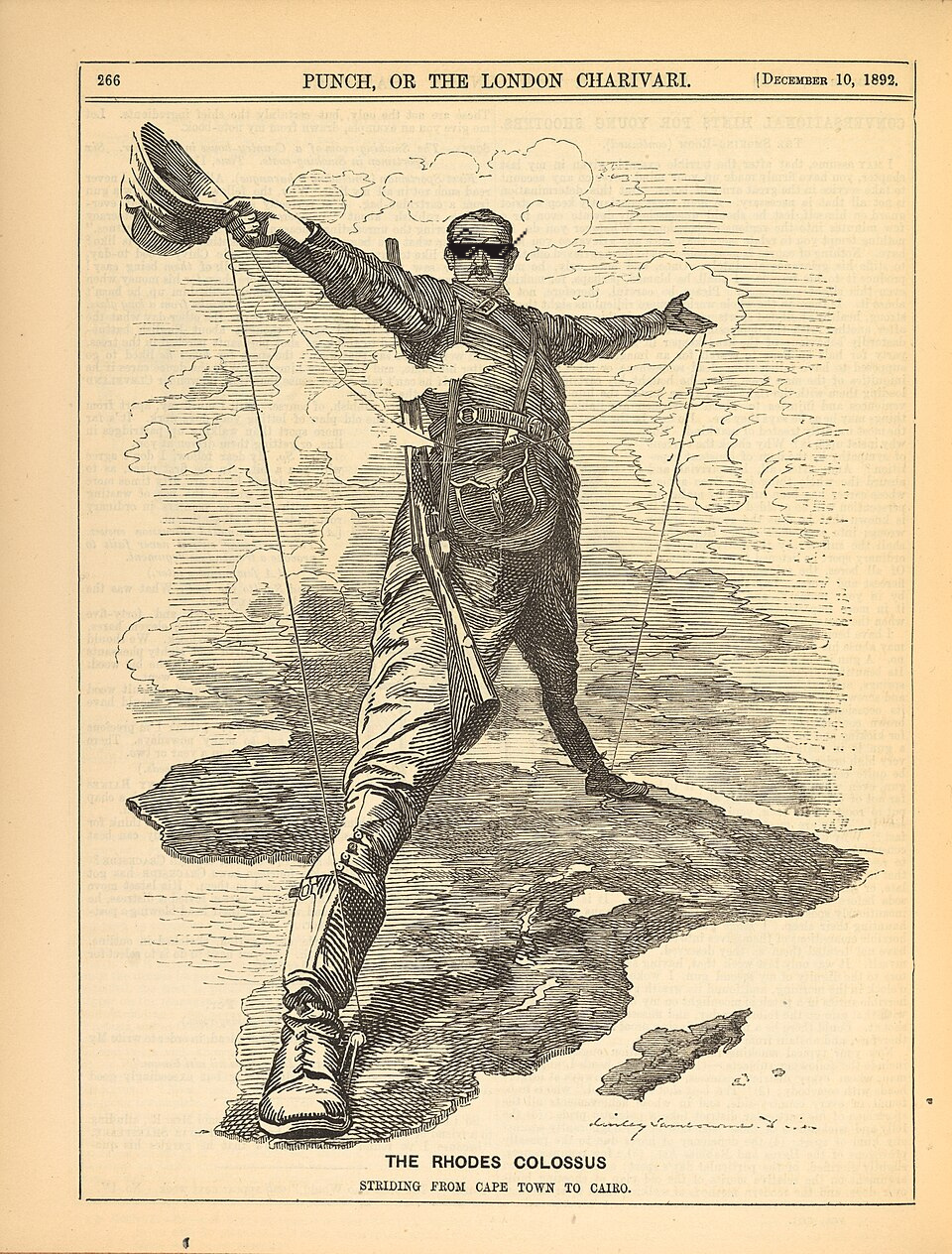
The Rhodes Colossus but he’s kinda chic
Furthermore, with initiatives ranging from unauthorized activist actions like Looty to institutional projects like Digital Benin, the actual impact of digital repatriation on source communities can vary to a large degree. Many initiatives labeled as digital repatriation may, inadvertently or not, perpetuate ‘digital colonialism’: when Western institutions maintain control over how digitized heritage is categorized, interpreted, and accessed. For instance, open-access policies may cause harm to source communities by making sacred or funerary items publicly visible without the community’s consent. Institutions may assert their intellectual property rights over digitized artifacts, dispossessing source communities in a more subtle way. Collaborative efforts between institutions and local communities can suffer from asymmetrical power dynamics, where Indigenous collaborators are reduced to footnote mentions or generic acknowledgments. Even ‘guerrilla’ digitization projects such as Looty can risk proceeding without the consent of the source communities whose heritage they aim to liberate.
To ensure digital repatriation advances genuine equity between Western institutions and source communities, more policy effort needs to be focused on protecting the self-determining agency of source communities in the repatriation process. The success of digital repatriation projects needs to be evaluated by the amount of decision-making authority transferred to source communities rather than the number of artifacts digitized. Fully eliminating access barriers also requires addressing the technological disparities that may hinder access through international funding mechanisms that support local server infrastructure and offer technical training to local custodians. Finally, amending current international heritage laws to explicitly state that digital restitution cannot substitute physical restitution can help ensure that digitization is a tool for shared stewardship rather than a replacement for physical repatriation.
The digital heist of the Rosetta Stone exposed the issues with modern heritage restitution: technology can bridge the geographic gaps in returning traditional heritage, but it cannot substitute for structural equity. Without transferring back to source communities the right to access, interpret, and manage the digital representation of their cultural artifacts, digital repatriation can serve as instruments of digital colonialism. Only when restitution is anchored in the agency of source communities will the preservation and sharing of global culture in the digital age move beyond symbolic gestures towards real cultural restoration.
